Crackers, Candles, and Maybe Batteries: Reading the Village Tienda Before a High Trail
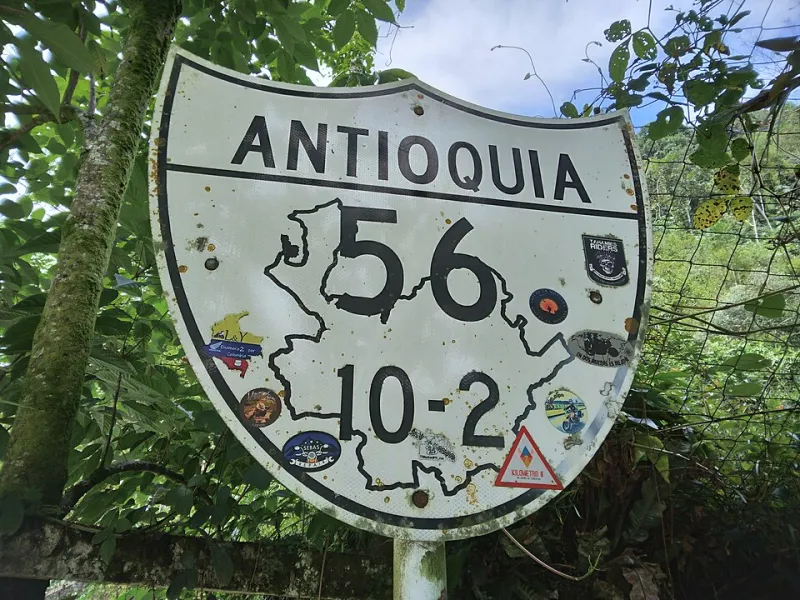
Photo: Ridiculopathy, CC0, via Wikimedia Commons
The first time you walk into a village tienda on an Andean high trail, your brain may try to file it under convenience store. It is not. It is closer to a neighbor's pantry with a counter, a scale, and a small hatch window. The shelves are not curated for hikers. They are curated for the village: rice, sugar, oil, candles, matches, soap, pasta, maybe a few cans of tuna that have been waiting patiently since the last truck came through.
That is not a problem. It is the point. If you learn to read the shop instead of asking it to become something else, the tienda becomes one of the most useful trailheads on your route.
Reset Your Expectations at the Door
In the US, we are trained to expect a wall of freeze-dried meals, fuel canisters, electrolyte tablets, and a rack of maps. A village tienda may have none of that. It may have a single shelf of batteries behind the counter, and those batteries may be the kind that work best in a flashlight, not your headlamp. It may have chocolate that has gone pale with altitude and time. It may have crackers stacked in cellophane sleeves and canned fish with labels in a language you do not read.
Do not treat this as a failure of retail. Treat it as information. The shop is telling you what the village actually uses. Your job is to listen.
The Shelf Is a Local Menu
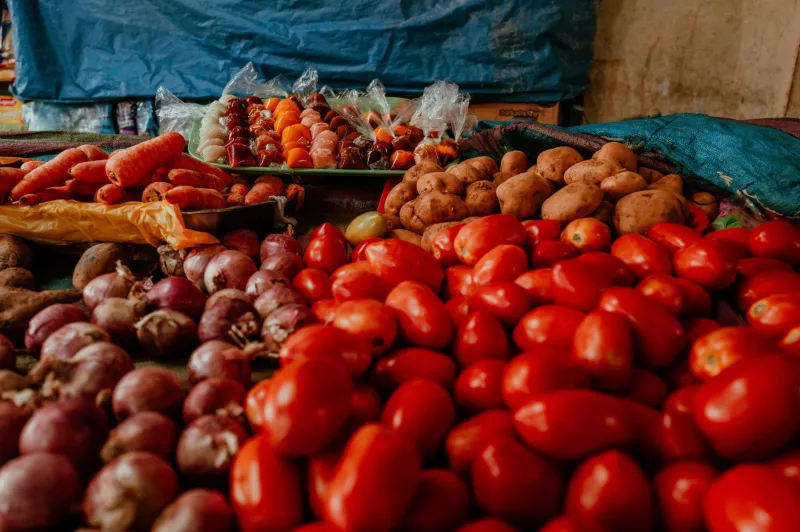
Look at what is stacked deepest. Rice, pasta, sugar, and cooking oil usually mean the shop supplies household kitchens, not trail lunches. Canned tuna and sardines show up where people want protein that keeps. Crackers are common because they travel well and go with tea. Candles and matches are not rustic decor; they are backup power. Soap and laundry detergent are everyday goods, not camping accessories.
If you see a dusty stack of something, do not assume it is forgotten. It may be a special-order item, or it may be the only brand the distributor carries. If you see almost nothing, the shop may be due for a resupply, or the family may be selling down before a village fiesta. Ask before you conclude that the shop is empty.
What You Can Usually Count On
In most high villages, you can reasonably hope to find some combination of the following: crackers, pasta, rice, sugar, salt, cooking oil, canned fish, instant coffee, tea, matches, candles, soap, toilet paper, and sometimes batteries. You may find aspirin or simple first-aid supplies, but do not plan a medical kit around it. You may find bottled water, but treated water is a safer assumption. You may find coca leaves, but that is a cultural good with its own etiquette, not a snack to grab without thought.
The key word is hope, not count. The shop is a supplement to your plan, not the plan itself.
What You Should Not Expect
Do not expect fuel canisters, stove fuel, gear repair kits, maps, compasses, sunscreen with a specific SPF, insect repellent, energy gels, peanut butter, hummus, tortillas, or a reliable supply of lithium batteries. Do not expect card readers or exact change for a large bill. Do not expect the shop to be open on a fixed schedule. Village time is real time, and the person behind the counter may also be the person harvesting potatoes, feeding animals, or watching a grandchild.
If your route depends on a specific item, carry it from the city. The tienda is there to fill gaps, not to rescue a gear list built for a US outdoor store.
Buy Like a Neighbor, Not a Raider
Start with a greeting. Ask whether the shop is open, even if the door is ajar. Point to what you want or ask politely. Do not rummage through shelves or open packages. If you need three crackers and the shop sells them in a single sleeve, buy the sleeve. If you need one battery, ask if singles are possible; if not, buy the pack and carry the rest.
Carry small bills and coins. A ten-dollar equivalent for a handful of crackers can wipe out the shop's change for the day. Do not haggle over village prices. If you can, buy a little more than you strictly need, especially staple goods you will actually use. That is not charity; it is normal commerce, and it keeps the shop stocked for the next person.
Ask before taking photos. Ask before handling goods behind the counter. If someone invites you to sit, sit. If the shop is closed, do not knock hard or call through the window. Come back later.
The Resupply Math
Plan your food and fuel for the whole route, then treat the tienda as a two- or three-day buffer. That means carrying your stove fuel, your water treatment, your headlamp batteries, and your emergency calories. The shop can top up crackers, pasta, sugar, and canned fish. It can give you matches as a backup. It cannot reliably give you the exact freeze-dried meal or energy bar you saw in a US gear shop.
This is also a good reason to build flexibility into your route. If the shop is closed, you should still have enough food. If the batteries are the wrong size, your headlamp should still work. If the chocolate is questionable, you should have a sense of humor and a backup snack.
The tienda is the trailhead in the sense that it is where the last bit of village infrastructure meets the trail. Treat it as a place to pause, greet, and buy what is actually there. The shelves may not look like an outdoor store, but they are honest. They stock what the village needs. Your job is to need a little less, plan a little better, and leave the shop in better shape than you found it.