No Hands, No Timetable: How Andean Villages Keep Time

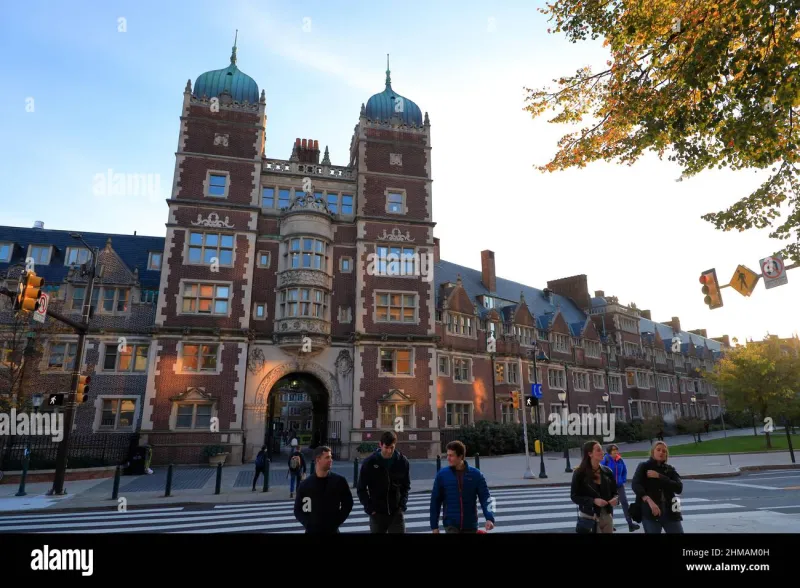
Photo: Andean village church bell tower morning light plaza, via palmbeachartspaper.com
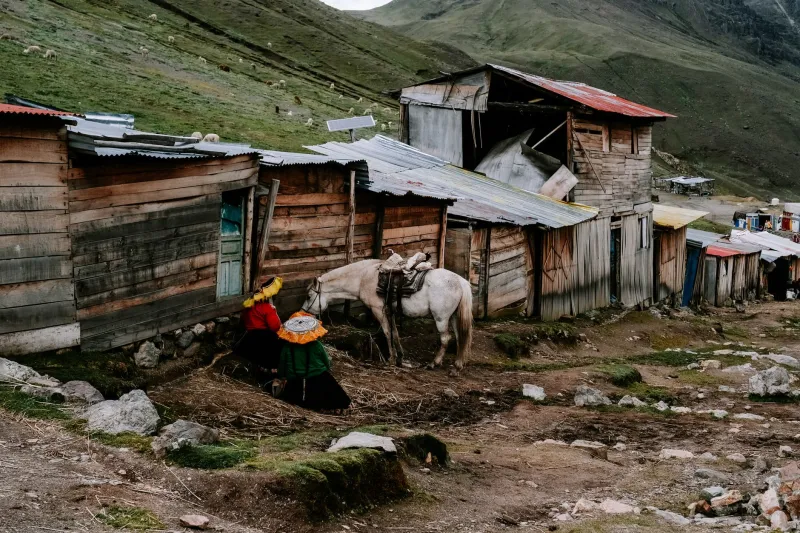
You step off a bus in a village that looks like it was arranged around a church and a basketball court. You have a screenshot of a return schedule saved to your phone. The schedule says 2 p.m. It is 2:15, then 2:40, and the only vehicle in sight is a dog asleep under a wheelbarrow. A woman selling oranges tells you, “Cuando salga,” and goes back to her conversation.
That moment is where a lot of travelers get it wrong. We hear “when it leaves” and assume the village is being vague. More often, the village is being precise about a different kind of time — one measured by bells, schoolyard noise, bus horns, daylight, and social obligation rather than a posted timetable. Learning to read that clock won’t make every bus appear on cue. It will make you a calmer and more welcome guest.
The Day Starts With Sound
In a US town, the first time cue might be a school bus pulling up or a fire siren at noon. In an Andean village, it might be a church bell, a loudspeaker announcement, a dog chorus, or the slap of dough against a table before dawn. None of these signals are synchronized for your convenience. They are local information, broadcast at the volume the village has chosen.
Listen before you plan. A bell at 5:30 a.m. might mark morning Mass during a feast week. A bell at noon might be the angelus, a funeral, or a call to a community meeting. A loudspeaker might be a municipal notice, a birthday greeting, or a reminder about irrigation turns. You do not need to decode every sound. You do need to stop treating silence as a sign that nothing is happening.
Bells Are Announcements, Not Alarms
A church bell is not a Swiss train clock. In many villages it carries several jobs: it gathers people for worship, marks a saint’s day, accompanies a procession, or signals that someone has died. Depending on the village, a school may have its own bell or buzzer. The municipality may use a loudspeaker. A cooperative might announce a meeting by horn or by word of mouth.
That means one bell can mean different things on different days. If the sound matters to your plans — say you are hoping to catch a market, visit a church, or leave before a procession blocks the road — ask a person, not the internet. A simple “¿Qué es la campana?” goes a long way. Ask at the guesthouse, the shop, or the bus stop. Accept that the answer may be “nada” or “una misa” or “un entierro,” and adjust your tone accordingly.
The Bus Horn Is a Maybe
In much of the rural Andes, transport is less a timetable than a daily negotiation. A colectivo or combi may leave when it fills, when the driver finishes lunch, when a passenger with three sacks of potatoes arrives, or when the road crew waves traffic through. A horn might mean the bus is arriving. It might mean the driver is looking for passengers. It might mean someone is selling gas canisters.
Posted times can still be useful. Treat them as the beginning of a window, not a promise. Ask two questions: “¿A qué hora pasa el bus?” and “¿Dónde lo espero?” The first gives you an approximate hour. The second keeps you from waiting in the wrong place. Then build in slack. If you have a flight or a long transfer, give yourself a half-day cushion rather than a twenty-minute one. This is not pessimism. It is basic mountain logistics.
Schoolyard Time and the Midday Pause
School bells, children spilling into the plaza, and the smell of lunch drifting from doorways are some of the most reliable time cues in a village. When school lets out, shops may close for a while. When the midday meal begins, the pace changes. When the afternoon light starts to slant, people begin moving toward home.
At altitude, daylight is not a soft suggestion. The sun drops fast, and temperatures follow. Plan hikes and village walks around the visible day, not around the schedule you made at home. Carry a headlamp even for a short afternoon walk. Carry water and a snack even if you expect to be back by lunch. If a local tells you a trail takes “un rato,” ask whether that means before dark. A rato can be twenty minutes or two hours, depending on who is walking and what they are carrying.
When a Delay Is an Invitation
Not every delay is a test of your patience. Sometimes a host says wait because soup is almost ready. Sometimes a shopkeeper takes ten minutes to finish a conversation before selling you a ticket. Sometimes a group is waiting for one more person, and that person is walking down from a higher field. In these moments, waiting is part of the social contract. You are not being inefficient. You are being included.
Accept the invitation when it is safe and when you have the time. A cup of mate, a plate of potatoes, or a few minutes of questions about where you are from can be the best part of the day. But do not romanticize every delay. If you have a real connection to make, say so plainly and ask for help making it. People understand deadlines. They just may not organize their whole day around yours.
When a Delay Is an Obligation
Some delays are not invitations. They are obligations that take priority over your itinerary. A funeral may close a shop. A communal work day may pull every adult in the village onto a canal or a road. A saint’s day may fill the plaza and change bus routes. A market may be smaller than usual because everyone is at a meeting.
In those cases, the useful response is not anger and not negotiation. It is adaptation. Ask when the next bus is likely to pass. Ask whether another route exists. Ask whether you should stay another night. If a road is blocked by a procession, wait until it passes. If a shop is closed for a funeral, buy what you need elsewhere or come back tomorrow. The village is not failing to provide a service. It is living its life.
Planning With Slack, Not Cynicism
Independent travel in the Andes works better with ranges than with timetables. Tell your guesthouse roughly when you plan to return. Confirm the day before and again on the morning of departure. Carry small bills so you are not stuck when a fare changes or a shop has no change. Keep a backup plan for weather, road closures, and transport that fills late.
And learn a few phrases that show you are paying attention: “¿A qué hora sale?” “¿Cuánto tarda?” “¿Hay otro bus?” “¿Puedo esperar aquí?” The words matter less than the willingness to ask and then listen. Village time is not a cute local quirk. It is a practical system built around work, weather, family, and belief. If you treat it as an inconvenience, you will spend your trip frustrated. If you treat it as information, you will still miss a bus or two — but you will understand why.
The bell is not there to tell you when to leave. It is there to tell you what is happening. That is a different kind of schedule, and it is worth learning to hear.