Spuds With a Backstory: A Traveler’s Guide to Andean Potato Markets and Kitchens
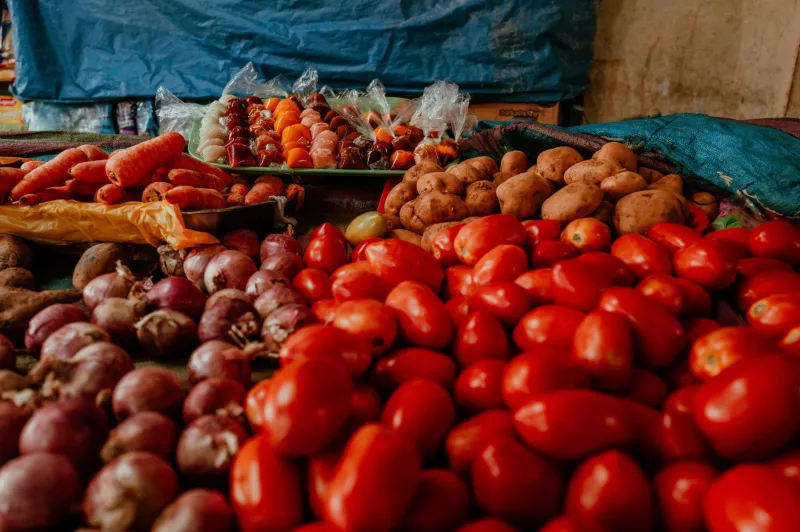
Most US supermarkets give the potato a simple job: starch on the side. In the Andes, it is a whole conversation. Walk through a highland market and you will find baskets of small, knobby tubers in purple, gold, red, and dusty rose, each sorted by name and purpose. Some are for soup. Some are for roasting. Some are for a dish that exists only in one valley. The potato is not a side here. It is the main text.
That makes it one of the best entry points for a traveler who wants more than a checklist of viewpoints. You do not need a reservation or a guidebook chapter to start. You need a market stall, a question, and the willingness to eat something unfamiliar.
Start Where the Names Are
The first thing to notice is that vendors rarely say potato. They say papa amarilla, papa huayro, peruanita, camotillo, qeqorani — names that tell you texture, color, and what the tuber wants to become. In Peru and Bolivia, you may see black chuño and white tunta, freeze-dried potatoes made by exposing crops to frost and sun. They look like stones. They are not souvenirs. They are pantry staples with centuries of use behind them.
Markets such as San Pedro in Cusco, the Sunday fair in Pisac, and La Paz’s Mercado Rodríguez are good places to see the range, but the best classroom is any busy stall where a vendor is sorting. Ask, '¿Cómo se llama esta papa?' and '¿Para qué se usa?' You will get a short lesson, sometimes a laugh, and usually a recommendation. Buy a small bag of whatever you discuss. It is a cheap ticket to a longer conversation.
Dishes That Explain the Place
You can trace a map through the potato plate. Papa a la huancaína is a starter of boiled yellow potatoes under a creamy sauce of aji amarillo and cheese. It is often treated as an appetizer, but it tells you how central the potato is: the dish is basically a vehicle for good tubers. Causa is a mashed potato cake layered with lime, aji, avocado, or tuna. It has coastal roots, but the potato is Andean. Locro de papa, common in Ecuador, is a thick soup of potatoes, cheese, and avocado — highland comfort food that makes sense after a cold morning.
Then there is chuño. In a Bolivian stew such as chairo, it adds a dense, earthy bite. Ocopa, from around Arequipa, covers potatoes in a green sauce of huacatay and nuts. None of these dishes is fancy. That is the point. The potato is everyday food, and everyday food is where a place keeps its habits.
The Farm Behind the Basket
The diversity in a market is not a museum display. It is maintained by small farmers who still plant dozens of varieties by name, often on tiny plots at different altitudes. A single family may grow potatoes for soup, potatoes for special occasions, and potatoes that survive frost. Commercial agriculture pushes toward a few high-yield varieties; many Andean farmers push back simply by continuing to plant what their grandparents planted.
If you want to see that side, go through community tourism projects or ask at a local market about farm visits rather than showing up at a gate. Buy directly when you can. A bag of potatoes is not a big purchase, but it is a real one. And do not treat a working farm as a photo set. Ask before you raise a camera. Wait for an answer.
How to Shop and Eat Respectfully
Respect starts with small habits. Carry cash in small bills. Bring a reusable bag. Ask before taking photos, and accept a no without negotiating. Do not haggle a farmer down to the last coin; if the price is fair, pay it. If you are offered a taste, take it. If a dish is spicy, try it before you ask for something milder.
At the table, the potato rewards curiosity. Order the chuño if it is on the menu. Try the yellow potato plain before you drown it in sauce. Ask which potato is in the soup. These are not gourmet questions. They are the kind of questions that turn a meal into a memory.
The Underrated Window
US travelers often arrive in the Andes looking for quinoa, coffee, and photo-ready textiles. All of those are worth their attention. But the potato is the quieter story, and it may be the most honest one. It connects market stalls, farm plots, family kitchens, and mountain weather. It is not glamorous. It is better than glamorous. It is daily life, served hot.
You do not need a passport stamp for this trip. You need a fork.