Andes Mesili High trails, quiet villages, honest journeys.

Andes Mesili

High trails, quiet villages, honest journeys.

Latest Articles

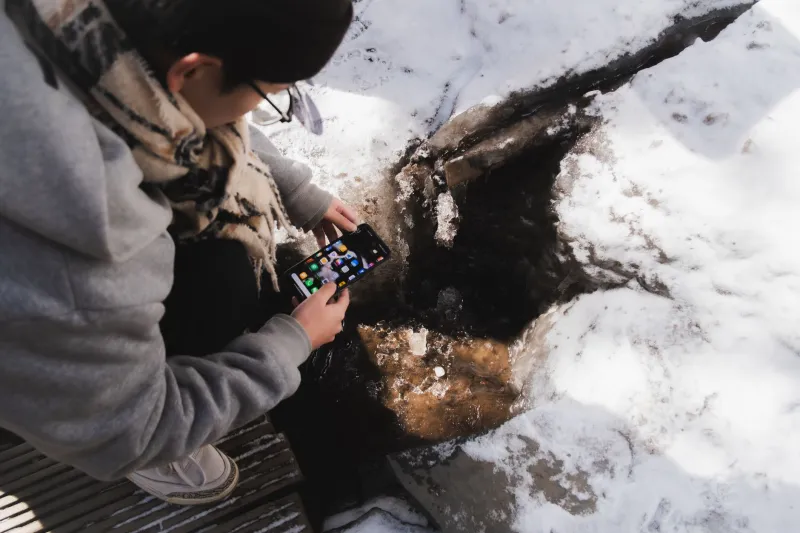
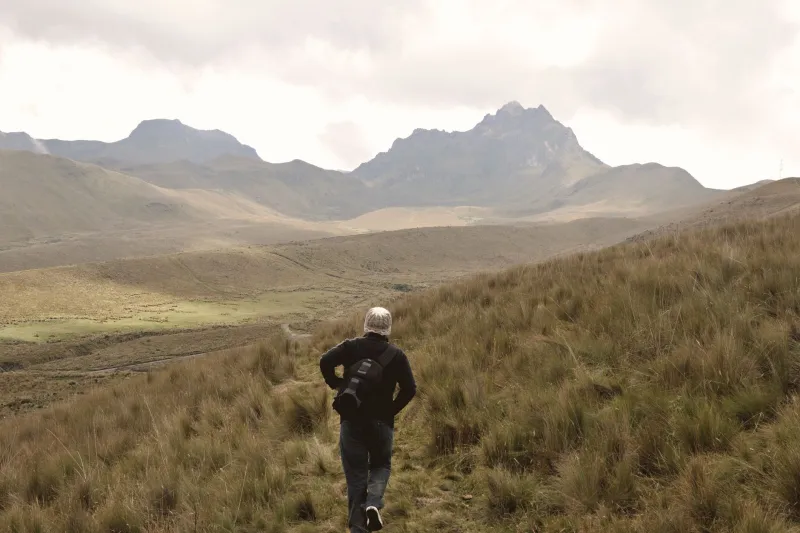
After the Last Dog Barks: Night Walking in the Andes With a Light Hand
Trail Guides

After the Last Dog Barks: Night Walking in the Andes With a Light Hand

A pre-dawn start or a moonlit walk can be one of the best ways to experience an Andean trail — if you treat the village and the dark with a little manners. Here is how to plan night miles using moon phase, southern stars, village lights, and a headlamp you keep on a short leash.
The Pouch Is a Question, Not a Challenge: Coca Leaf Etiquette on Andean Trails
Opinion

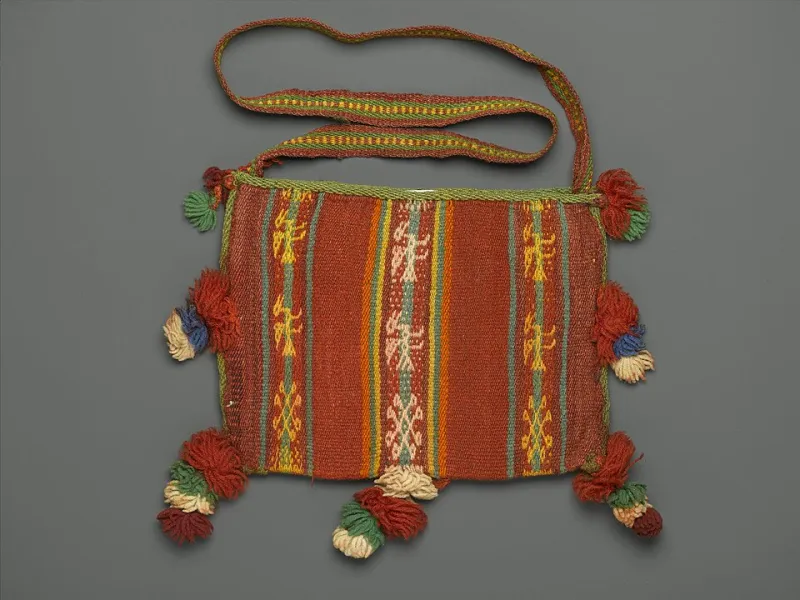
The Pouch Is a Question, Not a Challenge: Coca Leaf Etiquette on Andean Trails

On Andean trails, coca leaves often arrive as tea, a shared pouch, or a quiet gesture of hospitality. The trick is to read the moment, know what US customs will not forgive, and accept or decline without making it a scene.

Trail Guides

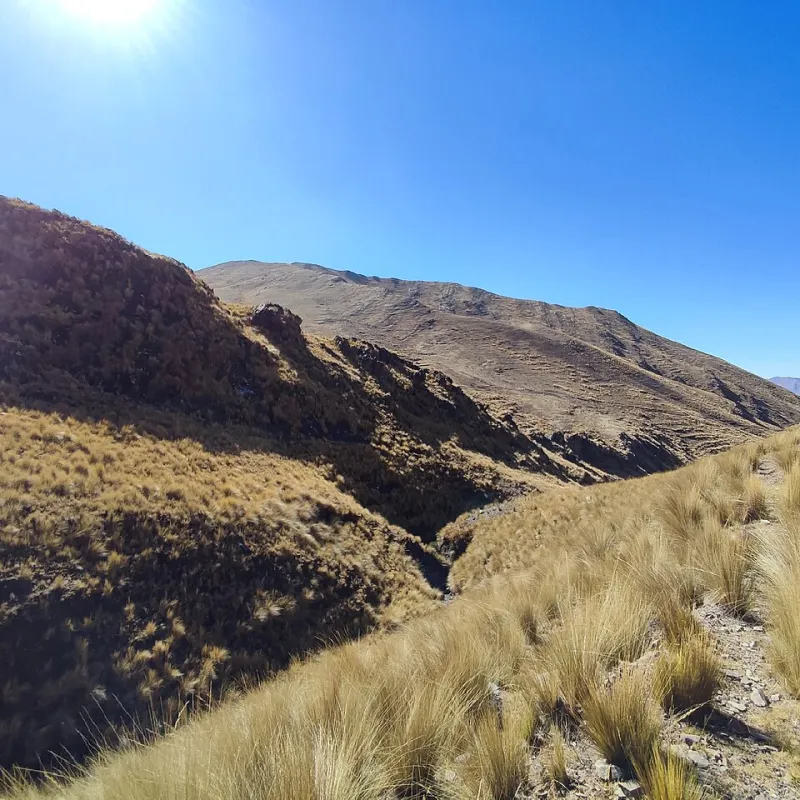
The Paro Is Not a Plot Twist: Reading Andean Roadblocks With a Cool Head

A stopped bus on an Andean highway can mean a twenty-minute wait, a half-day detour, or a change of plans entirely. Here’s how to read the situation, ask useful questions, and choose your next move without turning a local dispute into your personal crisis.

The Five-Dollar Handshake: Reading Community Trail Fees in the Andes
Trail Guides

The Five-Dollar Handshake: Reading Community Trail Fees in the Andes

A trailhead fee in the Andes is rarely just a transaction. Here is how to trace where the money goes, ask useful questions without turning a village into an audit, and tell a community fund from an improvised toll.

What the Map Is Whispering: Quechua Place Names as Trail Beta
Trail Guides

What the Map Is Whispering: Quechua Place Names as Trail Beta

Andean maps often read like a word salad until you notice the roots. This field guide decodes common Quechua place-name clues—water, passes, stone, old storehouses—and shows how to use them as a pre-hike hypothesis, not a promise.

The Bridge Has a Birthday: How to Cross an Andean Rope Bridge Without Treating It Like a Ropes Course
Trail Guides

The Bridge Has a Birthday: How to Cross an Andean Rope Bridge Without Treating It Like a Ropes Course

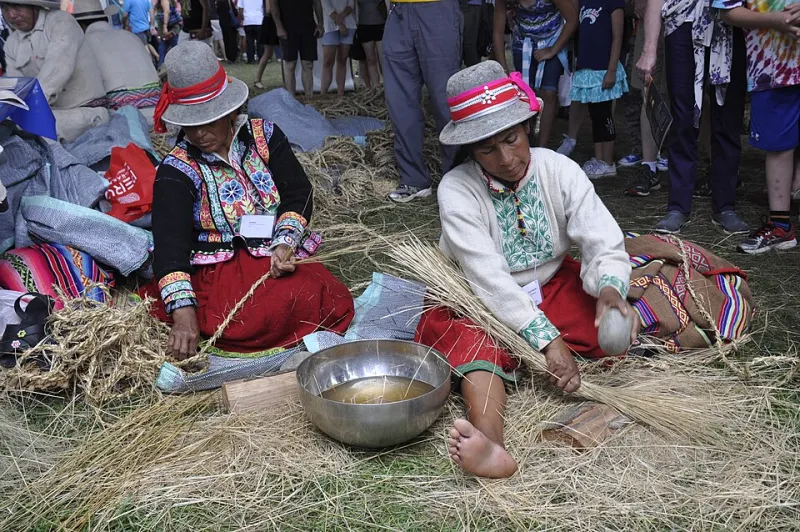
Every June, communities above the Apurímac River braid a new bridge from grass and walk across it together. Here is what that annual rebuild means, how to approach Q'eswachaka and similar crossings, and why watching from the bank can be the better trip.

Follow the Water, Not the Bootprints: A Hiker’s Guide to Andean Irrigation Channels
Trail Guides

Follow the Water, Not the Bootprints: A Hiker’s Guide to Andean Irrigation Channels

In the Andes, a narrow ribbon of water can look exactly like a trail—and that’s the problem. These hand-dug channels are working infrastructure, not scenery. Here’s how to recognize a canal, cross it politely, and avoid becoming the reason someone downstream goes dry.

No Hands, No Timetable: How Andean Villages Keep Time
Village Guides

No Hands, No Timetable: How Andean Villages Keep Time

In many Andean villages, the day is announced by church bells, schoolyard noise, bus horns, and the angle of the sun rather than a printed schedule. Here’s how independent travelers can read those cues, build in slack, and tell the difference between a delay that’s an inconvenience and one that’s an invitation.

The Oven Wakes First: Reading an Andean Village Morning by Its Smoke
Village Guides

The Oven Wakes First: Reading an Andean Village Morning by Its Smoke

Long before the first combi coughs to life, the bakery is already three hours into its shift. A pre-dawn walk through an Andean village bakery — how to buy, how long to wait, and why the warm tray tells you more about the day than any schedule posted at the trailhead.

Where the Wall Stops, the Question Starts: Reading Land Boundaries on Andean Trails
Trail Guides

Where the Wall Stops, the Question Starts: Reading Land Boundaries on Andean Trails

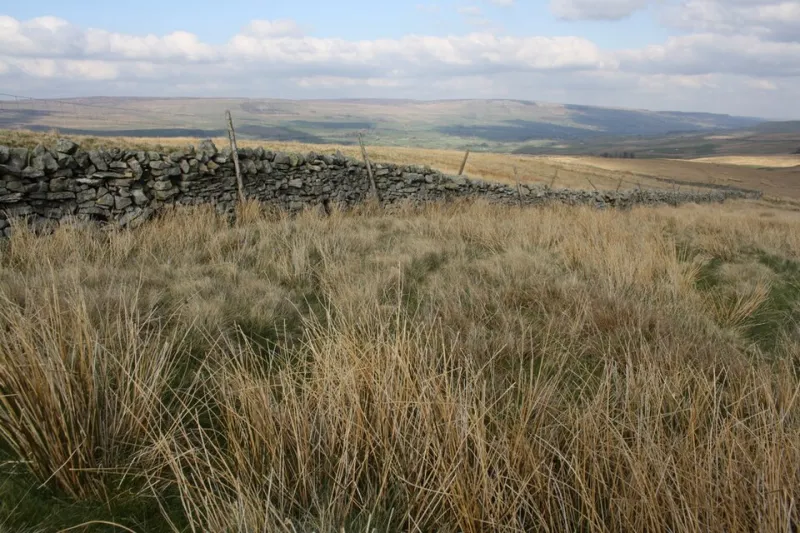
Stone lines, wire fences, and crop markers are not scenery in the high Andes — they are instructions. This field guide helps independent travelers read those cues, ask permission without making a scene, and plan routes that respect community land.

The Blowdown Doesn't Clear Itself: How Andean Villages Reopen Their Trails
Trail Guides

The Blowdown Doesn't Clear Itself: How Andean Villages Reopen Their Trails

Every wet season, high Andean routes disappear under rockfall, brush, and washed-out steps — and every dry season, they quietly come back. The crew responsible is usually unpaid, unmarked, and never in the guidebook. Here's how to read the reopening, time a trip around it, and be useful without being a nuisance.

Trailside Tail Protocol: Reading Andean Dogs Without Becoming the Story
Trail Guides

Trailside Tail Protocol: Reading Andean Dogs Without Becoming the Story

Dogs show up on Andean trails the way switchbacks do: without warning and with opinions. Here’s how to share the path with village dogs, shepherd dogs, and that one determined follower—without turning a local animal into a souvenir or a rescue mission.

Trail Guides

The Pass Has a Landlord: Reading Apachetas Without Trespassing on Belief

Apachetas are not just piles of stone at a high pass. They are living landmarks with names, rules, and histories. Here is how independent hikers can recognize them, move around them, and avoid turning someone else's sacred site into a summit selfie.

The Pool Has House Rules: How to Read an Andean Hot Spring Before You Get In
Trail Guides

The Pool Has House Rules: How to Read an Andean Hot Spring Before You Get In

High-altitude soaking is less about bagging the perfect pool than learning how to share it. Here is how to judge water temperature and sulfur without a thermometer, what to do about that altitude headache, and why the least advertised springs are often the ones worth the detour.

The Dark Half of the Day: Sleeping Warm Above 12,000 Feet
Trail Guides

The Dark Half of the Day: Sleeping Warm Above 12,000 Feet

Most Andean packing lists obsess over thin air and forget the real nighttime test: cold. Here’s how village lodgings and trail camps actually work after sunset, plus a sleep system that keeps you warm without turning your pack into a moving van.

Small Bills, Long Trails: Building a Cash Kit for Andean Villages
Trail Guides

Small Bills, Long Trails: Building a Cash Kit for Andean Villages

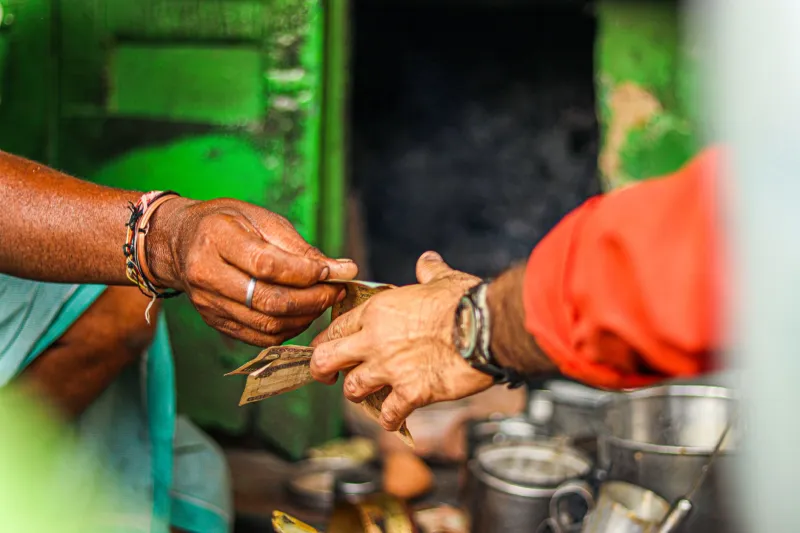
In the Andes, the last ATM is often far behind you, but the next village store, trailhead fee, or family-run lodging is not. This is a practical cash kit for US travelers who want to pay simply, respectfully, and without turning every purchase into a small crisis.

A Candid Field Report From 12,500 Feet: Your First 48 Hours at Altitude
Trail Guides

A Candid Field Report From 12,500 Feet: Your First 48 Hours at Altitude

The headache doesn't hit when you land. It arrives on a schedule, usually right around dinner. Here's an honest, day-by-day look at what 3,800 meters does to a sea-level body — and the small habits that keep the first two days from turning into a misery contest.

The Outlet Is a Favor: Keeping Devices Alive on Andean High Trails
Trail Guides

The Outlet Is a Favor: Keeping Devices Alive on Andean High Trails

Cold nights and scarce outlets can turn a phone into a paperweight on high Andean routes. This field guide covers battery behavior, solar and power-bank strategy, and the quiet etiquette of charging in villages where electricity is not a given.

The Sky Is the Itinerary: Reading Andean Weather Without a Signal
Trail Guides

The Sky Is the Itinerary: Reading Andean Weather Without a Signal

Phone forecasts fade fast in the Andes, but the sky keeps talking. Here’s how independent hikers can read clouds, wind, and afternoon storm patterns — and plan a trail day that bends instead of breaks.

Spuds With a Backstory: A Traveler’s Guide to Andean Potato Markets and Kitchens
Village Guides

Spuds With a Backstory: A Traveler’s Guide to Andean Potato Markets and Kitchens

The Andes is not one potato but hundreds, each with a name, a texture, and a place at the table. This guide walks you through the markets, dishes, and small farms where that diversity is still alive — and how to shop and eat with respect.