The Pouch Is a Question, Not a Challenge: Coca Leaf Etiquette on Andean Trails
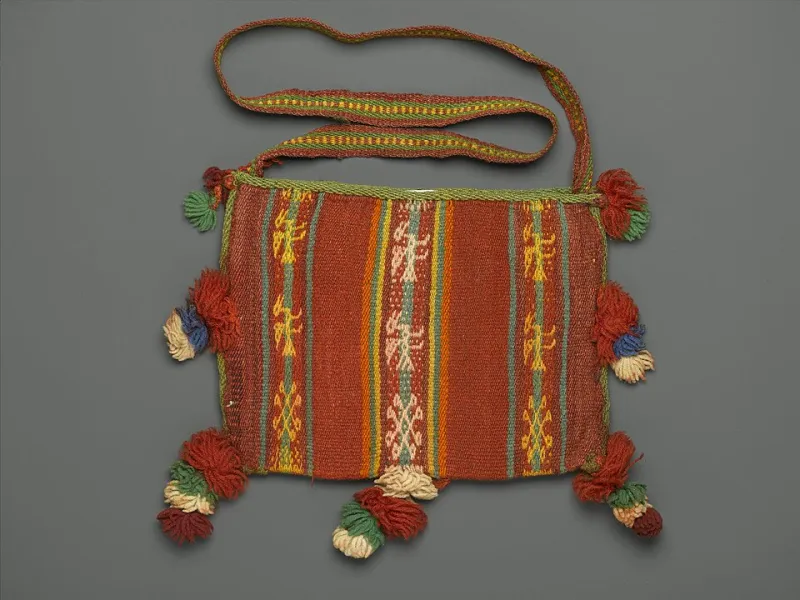
Photo: Alfred T. White Fund, No restrictions, via Wikimedia Commons
On a switchback above a village, someone stops, pulls out a woven pouch, and holds it toward you. No sales pitch. No label. Just a small, ordinary gesture. For a US traveler, the moment can feel like a test with no answer key. It isn’t. It’s hospitality, and the right response starts with reading what’s actually being offered.
Coca leaves are not trail candy, and they are not a dare. In the Andes, they are everyday company: a tea on a cold morning, a pouch passed among walkers and arrieros, a quiet part of ceremonies and offerings. If you’re offered the leaf, you’re being let into a small social moment. Treat it that way, and the etiquette gets simpler.
First, Read the Offer
Coca shows up in different forms, and each one asks something different of you. A cup of coca tea at a bus stop or a village café is low-stakes. A pouch passed on the trail is a question: are you joining the chew? A ceremony is something else entirely, with its own timing and rules. Don’t collapse them into one category called “trying coca.”
The leaf and the refined drug are not the same thing, but that distinction belongs to the people who live with the plant, not to a traveler looking for a loophole. You don’t need a pharmacology lecture to be polite. You need to know whether you’re accepting tea, joining a social habit, or standing in a ritual.
The Pouch Is a Question, Not a Challenge
If someone holds out a pouch, you have two clean options: accept a small amount or decline with thanks. If you accept, take a modest pinch with one hand. The right hand is a safe default in much of the Andes, but the bigger point is not to rummage. Don’t dig around, don’t take a handful, and don’t pocket leaves for later. The pouch is not a sample tray.
Chewing coca is not a performance. It usually involves a small amount of leaf and a companion substance, often a lime or ash preparation, and it’s a habit people learn over time. A trailside offer is not the place to run your own experiment. If you’re curious, ask a local guide in a proper setting. Don’t use a stranger’s pouch as a workshop, and don’t fake a chew to be polite. A simple decline is better than a bad impression.
Also: no jokes about cocaine. Not as an icebreaker, not as a nervous aside. The people offering you the leaf have heard it before, and it lands about as well as a drug joke at a family dinner.
Tea Is the Easy Door
In Peru and Bolivia, coca tea is common in hotels, buses, and village kitchens. If someone offers you a cup, “Sí, gracias” is usually enough. Drink it. Don’t sniff it, don’t grimace, and don’t ask for a second opinion on the flavor as if you’ve been handed a science project. It’s tea.
If you don’t want it, “No, gracias” works. You can add “Estoy bien, gracias” if you want to be clear. You don’t owe an explanation, and you definitely don’t owe a speech about US drug policy. The offer is hospitality, not a border checkpoint.
Ceremony Is Not Content
If coca appears during a ceremony or an offering, the etiquette shifts. Follow the host. Keep quiet. Don’t reach for your phone unless you’ve been clearly invited to take photos. Don’t pocket leaves as a memento. Don’t offer money to make the moment “fair.” A ritual is not a TikTok set, and a pouch is not a prop.
This is where a lot of well-meaning travelers get it wrong. They want to show respect, so they over-participate. But respect often looks like standing back, watching, and doing what you’re told. If you’re unsure, ask your guide or the person leading the moment. A quiet question is better than a loud assumption.
The Legal Line at the Border
Here’s the part that matters for US travelers: what is legal in the Andes is not legal at home. In Peru and Bolivia, coca leaf is legal for traditional and personal use, and coca tea is widely sold. In the United States, coca leaves and coca products are controlled substances, and US Customs and Border Protection can seize them. That includes tea bags, leaves, candies, and anything labeled as coca. Don’t pack them. Don’t mail them. Don’t accept a “gift” to carry for someone else.
This is not legal advice, and rules can change. Check current US rules before you travel. But the practical rule is simple: enjoy the moment where you are, and leave the leaf where it belongs. If you’re subject to drug testing at home, coca tea is a bad pre-flight habit; it can create a positive result. That’s not a moral judgment. It’s a travel-planning detail.
How to Decline Without a Speech
A polite decline is short. “No, gracias” is enough. “Gracias por ofrecer” — thanks for offering — is a nice touch. A hand on the heart or a small nod can carry the rest. What you don’t want is “I don’t do drugs.” That turns a courtesy into an accusation.
If you want to reciprocate, offer something else: a snack, a piece of fruit, water. But don’t turn the pouch into a transaction. You don’t owe payment for hospitality, and paying for a trailside pinch can make the moment weird.
The Souvenir Rule
Don’t buy coca leaves as a souvenir. Not for a friend, not for a display jar, not for the story. If you want to remember the gesture, remember it. Buy a woven textile from a market, not the leaf inside the pouch. The leaf is a guest, not a gift-shop item.
The trail is better when you’re a guest, not a collector. The pouch is a question. Answer it like a person.