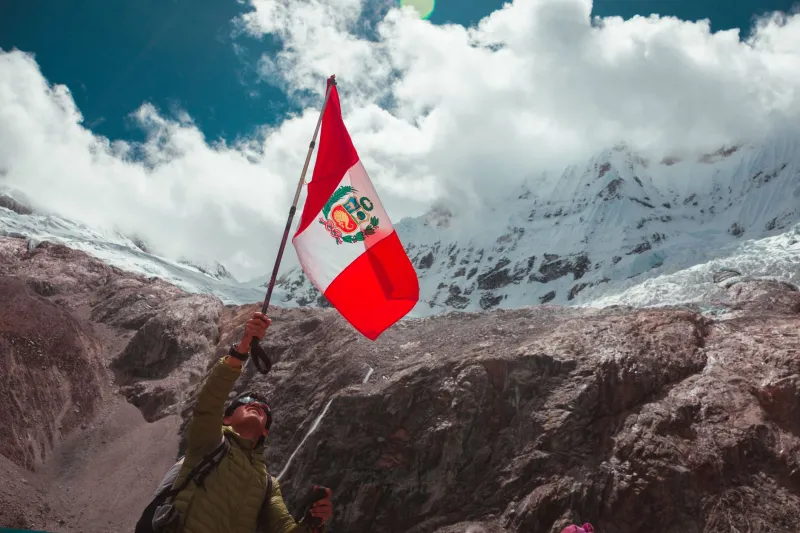
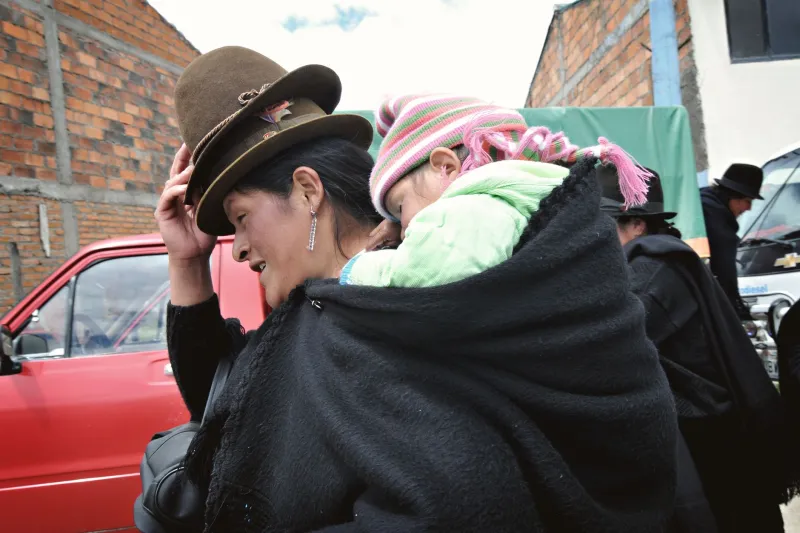
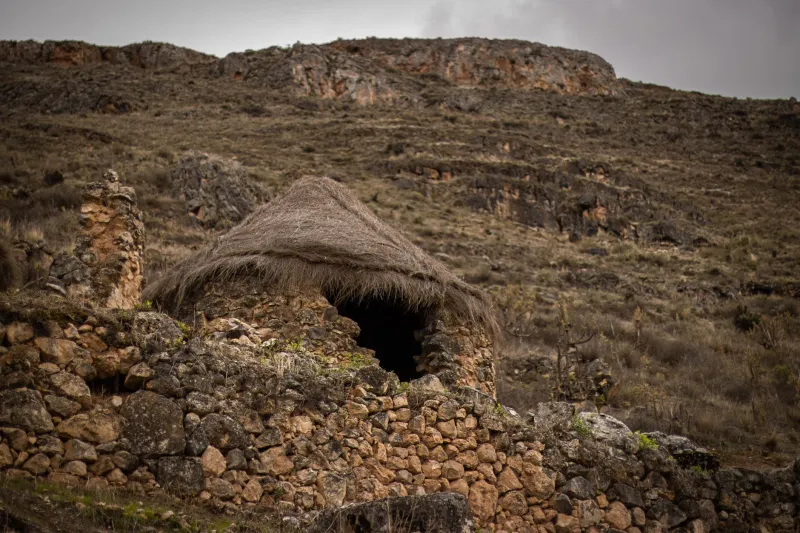
The Window Seat Wins: Why I Quit Short Andean Flights for Long Bus Rides
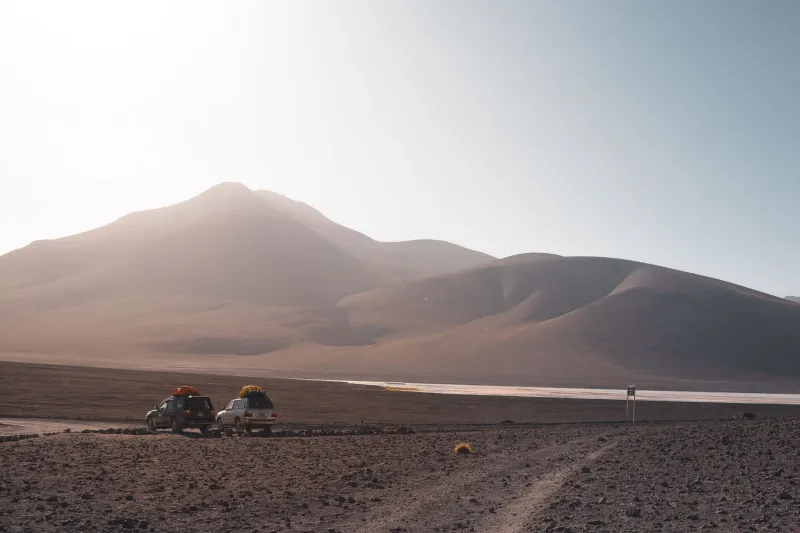
I used to treat short flights in the Andes as time machines. Lima to Cusco, Quito to Cuenca, La Paz to Sucre: why spend a day on a bus when you can be there in an hour? Then I took enough of those flights to notice a pattern. I would land with no sense of how the country had changed underneath me. The Andes became a series of airports and views from above, which is a strange way to travel through mountains.
So I stopped booking short flights when a bus could do the job. Not always, and not as a moral performance. Sometimes flying is the right call. But the overnight bus taught me something that no seat-back map could: the Andes are not a destination you arrive at. They are a long argument between weather, road, and people, and you only hear it if you stay on the ground.
The Flight That Made the Andes Feel Small
The turning point was a flight out of Cusco after a long trek. I had walked for days through villages where the road was a mule track, and then I was in a pressurized tube eating a tiny biscuit. The mountains below looked like a relief map. I could see the shape of the range, but not the cold in the morning or the way a town smells after rain.
That is the problem with short flights in the Andes. They are efficient at moving bodies and terrible at moving context. You gain a afternoon and lose the story of how you got from one altitude to another. For US travelers with two weeks and a list of highlights, that trade can feel smart. But it often turns a trip into a sequence of disconnected postcards.
What the Overnight Bus Actually Teaches You
An overnight bus is not romantic. Let us start there. The terminal is loud. The seats are not all equal. Someone will board with a bag of bread and another passenger will play music at 2 a.m. The bathroom may be a negotiation. You will wake up with a stiff neck and a window fogged from the inside.
But you will also see the trip. You will watch the last light go orange on a ridgeline, then wake to a valley full of low cloud. You will stop at a roadside shack where a woman sells soup and everyone gets off because the driver does. You will hear the bus groan up a pass and feel the temperature drop. You will arrive knowing you crossed something.
On a recent overnight leg from Cusco toward Puno, I shared a row with a teacher who was going home for a family event. She pointed out the turnoff to her village and told me which stops had the best bread. That conversation would not have happened on a flight. It is not a reason to book a bus by itself, but it is the kind of thing that makes a trip feel less like a transaction.
Routes Where Overland Wins
Some Andean bus legs are genuinely good use of your time. Cusco to Puno is the classic: roughly ten hours by bus, with the high-altitude altiplano doing most of the entertainment. Puno to La Paz is about seven hours and crosses a border, which adds time but also a sense of movement. Quito to Cuenca is eight to ten hours depending on the route and takes you through serious mountain country. Lima to Huaraz is seven to eight hours and a better introduction to the Cordillera Blanca than a flight to a smaller airport.
Bolivia has its own long-haul logic. La Paz to Sucre or Potosí is a night bus for many travelers, and the road is a lesson in scale. Arequipa to Cusco is another long one, often done overnight, though I prefer daylight if the schedule allows because the scenery is the point.
Day buses are underrated. On short mountain hops, a morning bus gives you the view and still gets you in for dinner. Overnight buses are efficient, but they are not restful for everyone. Know yourself. If you cannot sleep sitting up, a ten-hour night bus will cost you the next day.
Safety and Comfort, Without the Romance
I am not going to pretend every bus in the Andes is a cozy sleeper. Do your homework. Use reputable companies, book through a terminal or a trusted app, and check recent reviews rather than a decade-old blog post. In some regions, daytime travel is easier and safer. Ask your guesthouse which companies they use. Keep your passport and valuables with you, not in the luggage hold. Use a money belt or a zipped jacket pocket, and do not flash expensive gear at the terminal.
Comfort is a series of small decisions. Bring layers, because mountain buses swing between hot and cold. Carry water and snacks, but not so much that you need the bathroom every hour. Earplugs and an eye mask are worth their weight. A neck pillow is not a joke. If you get motion sickness, take medication before the road starts winding, not after.
Seat class matters. In Peru and Bolivia, semi-cama or cama seats cost more and are usually worth it on long legs. In Ecuador, look for buses with assigned seats and working bathrooms. If the ticket agent says the trip is eight hours, assume ten. Mountain roads, police checks, roadworks, and meal stops all add up.
The Footprint and the Stories
There is a climate argument here, but I do not want to oversell it. Buses are not zero-impact, and a full bus is not automatically a virtuous choice. Still, for short regional hops, overland travel usually produces a lighter footprint per passenger than a flight, especially when the alternative is a half-empty plane. If you are already in the Andes, the bus is often the lower-carbon way to connect the dots.
The better argument is the one you bring home. My best memories from these trips are not the landings. They are the bus station breakfasts, the seatmate who drew a map on a napkin, the driver who stopped so a passenger could hand a bag to a relative at a roadside stand. These are small things. They are also the texture that guidebook photos leave out.
How to Plan a Bus Leg
Start with a realistic route. Do not book a night bus on your first day at altitude. Give yourself time to adjust, then take the longer leg. Buy tickets a day or two ahead for popular routes, and confirm the departure terminal, not just the city. Terminals in big Andean cities can be chaotic; arrive early, keep your bag close, and ignore anyone who aggressively offers to help with your ticket.
Choose a window seat if you can, but not at the expense of legroom on a twelve-hour ride. Bring a small daypack with everything you need for the night: passport, money, phone, charger, water, snacks, medication, and a layer. Keep the big bag in the hold and lock it if the bus company provides a tag or lock. Take a photo of your ticket and the bus plate. Tell someone where you are going.
Then lower your expectations in the right way. Do not expect to sleep well. Do not expect the bus to leave exactly on time. Do expect to see something you would have missed from 30,000 feet. That is the trade, and most of the time it is a good one.
Fly When You Need To
I still fly sometimes. If a road is unsafe, if a delay would wreck a tight connection, if a flight is the only way to make a family obligation, take the plane. This is not a contest. But if you have a spare day and a route that runs overland, consider the bus. The Andes do not reveal themselves in the arrival hall. They reveal themselves in the long middle, where the road climbs, the clouds settle, and the country keeps going.