You Are Not the Parade: Being a Decent Guest at Andean Village Fiestas
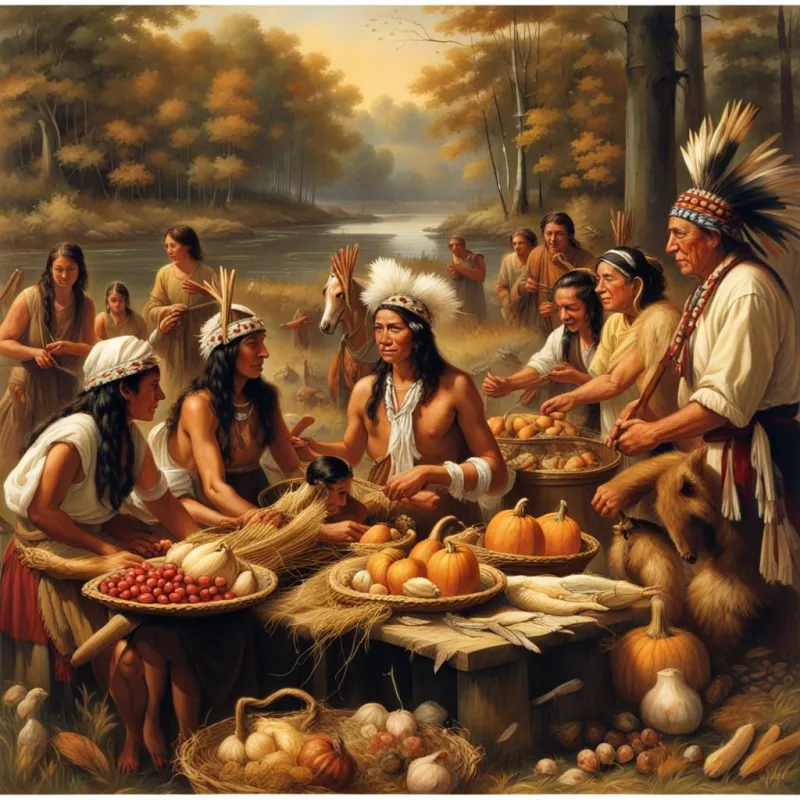
Photo: Andean village patron saint festival procession, dancers in traditional dress, plaza, Peru highlands, via images.nightcafe.studio
The first thing I noticed in the plaza was not the band. It was a woman in her sixties carrying four cases of beer on her back while a man in a feathered headdress posed for a group of visitors who had arrived, photographed him, and left before the procession even started.
That is not a crime. It is just a shame, because the parade they skipped was the actual event.
What a fiesta actually is
A patron saint festival in an Andean village is not a show staged for travelers. It is a religious obligation, a civic duty, and an enormous amount of unpaid labor, often organized by a sponsor or mayordomo who has been planning for a year and spending real money to host it. The dancing, the band, the food, the fireworks: all of it is a gift from the community to the saint, and a gift from the sponsors to the community.
Which means you are not the audience. You are a guest who happens to be standing in the room.
The procession is not a parade route
When the image of the saint comes out of the church, people fall in behind it. Not beside it, not in front of it, and definitely not between the image and the musicians. Walk behind the procession. If you want to watch, step to the side and stop moving. Someone will be carrying a heavy frame in dress shoes on uneven ground, and they do not need you underfoot.
The bands are loud and the dancing groups can be chaotic. Give them room. If you are filming, plant yourself somewhere you are not a hazard and stay planted.
Drinking is a conversation, not a challenge
You will be offered a drink. Probably several. The local etiquette usually runs through a shared cup, a round that goes in order, and a small pour that you are expected to finish before handing the cup back.
A few things that work: accept with both hands or at least a hand on the cup, take a small sip if you are drinking, and say thank you clearly. If you do not drink alcohol, decline early and cheerfully, and stay for the conversation anyway. Nobody is offended by a polite no. People do notice a guest who takes the cup and then pours it out on the ground.
Also: pace yourself like the fiesta lasts three days, because it often does, and eat what is handed to you. Somebody got up at four to cook it.
Ask about the camera. Every time.
This is the part where visitors get it wrong most often. The dancers in the embroidered outfits are not in costume; they are in the most formal clothing their family owns, worn for a religious occasion.
Ask first, with words or a gesture at the camera and a raised eyebrow. A yes is a yes. A shrug is not a yes. A hand raised flat in front of the face is a clear no, and it is not personal. Never photograph people mid-prayer, never photograph inside the church during mass, and never post a picture of a child without the parents clearly knowing.
And put the phone down for the procession itself. Some moments are better witnessed than captured, and this is one of them.
Contributing without buying your way in
You will probably be expected to spend something, but the shape of that matters. Buying food and drink from the stalls is good: that money goes to families. Buying from the sponsor's table is good. Handing cash directly to performers is awkward and can undercut the whole system of communal obligation.
If you want to give more meaningfully, ask around, quietly, about the sponsor's costs or the church's needs, and contribute through a person who is actually part of the event. Bring it up once. Do not make a speech about it.
Knowing when to step back
The fiesta has phases. There is a public, loud, welcoming middle, and there are quieter parts, like the overnight vigil, the small family gatherings, and the morning after, when the plaza is being swept by people who have not slept. Those are not for you.
Read the room. When the music stops and the tables get stacked, that is your cue. Say thank you to the person who fed you, and go.
The measure of a good visit is not how many photographs you came home with. It is whether somebody nods at you the next time you walk through that plaza.