A Guest, Not a Visitor: Reading the Social Cues of Andean Villages
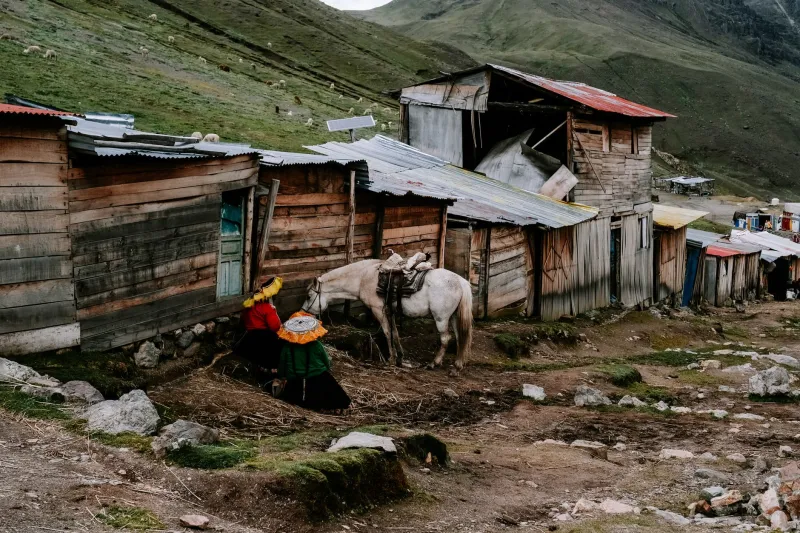
The dog noticed me before anyone else did. I was walking the last stretch into a small community above the Sacred Valley, and by the time I reached the plaza, a woman in a pollera was already watching from a doorway. I said buenos días. She nodded. That was the whole conversation, and it was enough to tell me I had not yet earned a longer one.
That is the first thing to understand about visiting Andean villages on independent routes. You are not arriving at an attraction with an entrance gate. You are arriving in someone's home, at a hour that belongs to them, and the social contract is mostly unspoken. Here is how it tends to work.
Greet the Person Before the Place
On quiet routes, the first courtesy is simple: you are not a camera with legs. Say good morning before you say anything else. Buenos días before noon, buenas tardes after, buenas noches once the light goes. In parts of Peru, Allillanchu is a common Quechua greeting, and Allillanmi is a usual reply. In parts of Bolivia, Kamisaraki and Waliki do similar work in Aymara. Phrases vary from valley to valley, and using Spanish is never rude. What matters is that you greet people as people, not as background.
Take off your sunglasses. Push back your hat. Look at faces. If you are addressing an older person, Don or Doña followed by a name is a small sign of respect that costs nothing. Before you step into a field, a courtyard, or a fenced path, ask. Se puede? works fine. If someone is busy, do not force a conversation. A greeting is a doorbell, not a performance.
The Gift You Probably Should Not Bring
A bag of candy feels generous in the moment. It also turns you into a vending machine. Kids learn quickly which strangers hand out sweets, and the next traveler who arrives without them can feel the disappointment. Candy is also a dental-care problem in places where the clinic is a long bus ride away. The better gift is a transaction: buy a meal, pay for a room, hire a local muleteer, purchase bread from the panadería, fill your water bottle at the shop.
If you are invited to eat, accept if you can. Eat what is put in front of you. Do not announce that you are vegetarian after the soup has been served. If you want to contribute, ask first. A sack of rice or a bag of fruit may be welcome. A pile of identical school notebooks may not be, because teachers end up storing them. If you want to support a school or clinic, go through a local organization that can tell you what is actually needed. Cash is not dirty. Underpaying is.
Photos: Permission, Then the Picture
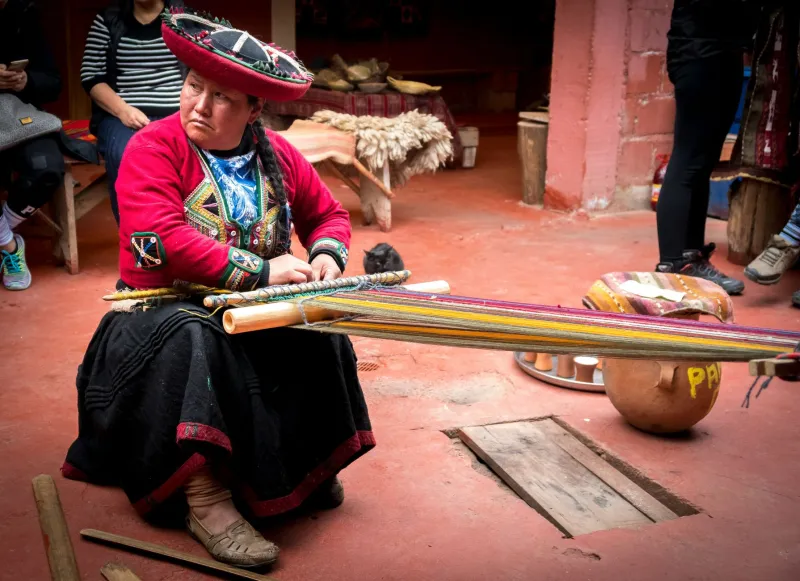
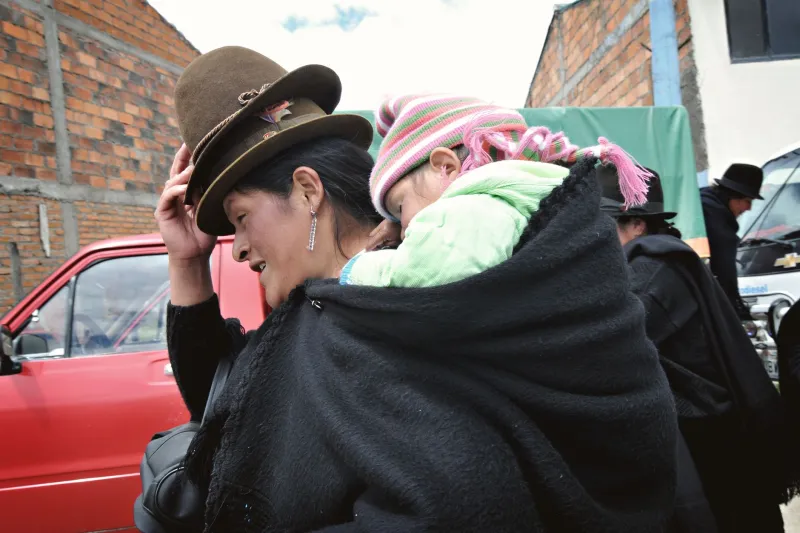
Ask before you raise the camera. ¿Puedo tomar una foto? is enough. If the answer is no, it is no. Do not photograph children without a parent or guardian saying yes. Do not fly a drone over a village because the light is nice. Do not treat a funeral, a ritual, or a private courtyard as a photo opportunity. Textiles are intellectual property too. If you are in a weaving workshop, ask before photographing designs, and buy something if you have spent an hour learning from the weaver.
Some people will say yes and then expect payment. That is fair. Discuss it before you shoot, not after. Show the image afterward. A photo is a small extraction, and the least you can do is make it reciprocal.
Read the Room, Then Read the Trail
Village courtesy is not only about manners. It is also how you get useful information. Ask about trail conditions, water sources, bus times, and whether the bridge is still there. A five-minute chat at the tienda can save you a wrong turn. Buy something while you are there. Do not haggle over two soles. Do not complain about the price of a bed that includes dinner and a blanket. On routes where tourism is not the main economy, every transaction is a small signal about whether the next walker will be welcome.
Keep your group small. Pack out your trash. Learn names. Say thank you in whatever language is comfortable, and say it like you mean it. If you get it wrong, apologize plainly. Perdón, no sabía. Then ask how to do it better. The point is not perfect etiquette. The point is attention.
The courtesy rule is not really a rule. It is the habit of treating a village as someone's home rather than your backdrop. Get that right, and the rest is just conversation.