Small Bills, Long Trails: Building a Cash Kit for Andean Villages
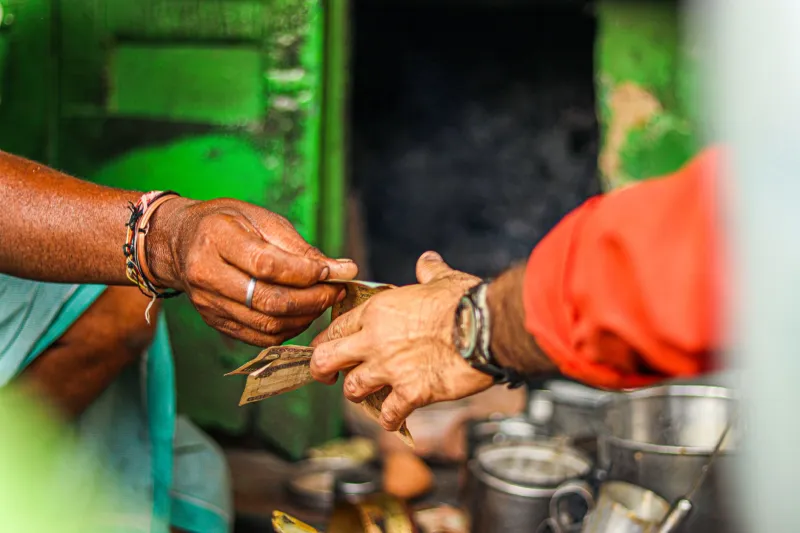
The last ATM is usually in a city you have already left. Maybe it was near a plaza with good coffee and reliable Wi-Fi, or in a bus station where the machine flashed a fee you pretended not to see. Either way, once the road turns to dirt and the houses turn to adobe, the economy becomes paper. Plastic may work in a hotel lobby. It rarely works at a trailhead gate, a village shop, or a family kitchen serving lunch to hikers.
That is not a warning to carry a briefcase of cash. It is a reminder that Andean high trails reward a little preparation. A sensible cash kit is less about hoarding and more about smoothing the small transactions that make a trip feel easy: a bottle of water, a colectivo seat, a plate of potatoes, a night in a guesthouse, a community fee for the path you are about to walk.
Start With a City ATM, Not a Trailhead Machine
Withdraw in a larger town before you head up. Cusco, Huaraz, La Paz, Quito, and other gateway cities have bank ATMs and enough commercial traffic to make withdrawals predictable. Use a bank-affiliated machine, decline the machine's own currency conversion if it offers one, and check whether your US bank charges foreign transaction or out-of-network fees. A debit card with no foreign transaction fee is the quiet hero of this whole plan.
Do not assume every machine will dispense small notes. Many spit out the local equivalent of a $50 or $100 bill, which is exactly the wrong tool for a village where change is scarce. Take out a reasonable amount, then break it before you leave the city. A supermarket, pharmacy, cafe, or bus ticket counter can help. Buy something small, pay with the large note, and keep the change. That is not a scam or a trick. It is normal urban commerce, and it gives you the small bills that village life actually runs on.
What Belongs in the Kit
Think in layers. Your daily wallet should hold enough for the next day or two: small notes, a few coins, and maybe one medium note for a larger purchase. A second stash, kept somewhere less obvious, covers the rest of the week. A third reserve stays buried in your pack for the what-if moments that rarely happen but are miserable without cash.
Coins matter more than many travelers expect. They pay for bread, a short bus ride, a public toilet, or a handful of fruit. Small notes pay for meals, village lodging, and trail fees. Larger notes are for cities, not for the trail. If you are carrying US dollars as an emergency reserve, keep them separate and treat them as a last resort. In many village settings, a local-currency note is simpler and more welcome than a foreign bill that nobody wants to exchange.
A small zip-top bag is enough to keep paper dry. A money belt or hidden pouch is useful on crowded buses. The goal is not to obsess over theft. It is to avoid the more common problem: standing at a trailhead with one enormous note and no way to pay a small fee.
Break Big Notes Before They Break Your Day
There is an art to breaking a large note without making a scene. Do it in a city or town where the cash register is busy. Buy a snack, a metro card, or a bottle of water. Ask politely if they have change, but do not be surprised if they do not. In smaller places, a vendor may genuinely not have enough coins to break a big bill, and pressing the issue can turn a simple purchase into an uncomfortable negotiation.
When you are buying something in a village, try to pay with something close to the price. If a meal costs the equivalent of a few dollars, do not offer a note worth ten times that unless you have already asked whether change is possible. This is not about being fussy. It is about respecting the reality of a small till and a long walk to the bank.
Trailhead Fees, Family Lodging, and the Change Problem
Ask about payment before you commit. For a community trail fee, a campsite, or a family-run guesthouse, a quick question about price and change is normal. If you are staying somewhere without card machines, pay in local currency and keep the bill flat and clean. Wrinkled, torn, or heavily marked notes can be refused, so treat paper money as part of your gear: keep it dry and tidy.
If you are unsure whether a tip is expected, ask rather than assume. In some places, a small tip is welcome. In others, it is not part of the arrangement. A calm question is better than an awkward pile of coins on a table.
Spending Respectfully in Markets and Village Stores
Cash is not just logistics. It is participation. When you buy from a market stall, you are not only solving lunch. You are joining the ordinary rhythm of the place. Keep your money organized, avoid flashing a thick stack, and do not haggle over small amounts as if the whole trip depends on saving a dollar. Bargaining has its place in some markets, but it is not a universal sport.
If a vendor cannot break your note, buy something smaller or pay with coins. If you want a photo, ask first. If you are in a village store, remember that the person behind the counter may be doing you a favor by selling to a traveler at all. A little patience goes further than a perfect exchange rate.
A Simple Pre-Trip Routine for US Travelers
Before you fly, check your debit card's ATM limits and foreign fees. Tell your bank you are traveling, even if it feels old-fashioned. Pack a second card separately from the first. Learn the local numbers for prices and practice saying them without freezing. Download an offline language app or phrasebook. None of this takes much time, and all of it makes the cash side of the trip less stressful.
On the ground, withdraw in cities, break notes early, keep a daily wallet and a backup stash, and reserve large bills for places that can handle them. That is the whole strategy. It is not glamorous. It is just the quiet difference between a day that flows and a day spent apologizing to a shopkeeper because you only have a bill the size of a small mattress.
Andean high trails are not designed to be convenient in the way a US road trip is convenient. That is part of why we go. A little paper money, sensibly divided and respectfully spent, lets you move through villages without making your problems someone else's. The ATM ends where the village begins. Your preparation does not have to.